
Overview
- YouTube is rolling out automated detection that flags sponsored videos which creators haven’t disclosed as sponsored.
- YouTube will be applying the branded content label on such videos on the creator’s behalf.
- This update also adds new disclosure controls and tests a shift in how affiliate products get sourced.
- House of Marketers‘ insights on how this affects marketers.
YouTube has recently updated its Branded Content Policies which will effect influencer marketers. Rather than relying on creators to self-report paid partnerships, YouTube’s systems will now scan newly uploaded videos for signals of undisclosed sponsorship and apply the disclosure label automatically.
This is a step towards transparency on the platform in the long run.
What is YouTube’s automated branded content detection?
Automated branded content detection is a system YouTube is deploying to identify sponsored videos that creators have not manually flagged, and to apply the disclosure label without creator input.
Per YouTube’s updated policy:
“If our systems detect your video includes branded content you have not disclosed, we may automatically apply a branded content label to your video and notify you.”
Creators who believe a label was applied in error can certify the video contains no branded content to have it removed, but the default now shifts to disclosure-unless-proven-otherwise rather than disclosure-if-you-remember-to.
What new disclosure controls is YouTube adding?
YouTube is also giving creators more granular control over who sees branded content, not just whether it’s labeled.
New settings let creators restrict branded content visibility by viewer age and location. This supports compliance with regional rules on marketing to minors and other jurisdiction-specific advertising restrictions.
Alongside this, YouTube refreshed the branded content label’s design and tightened the policy language around paid product placement to align more closely with industry disclosure standards.
What is YouTube testing with affiliate product sourcing?
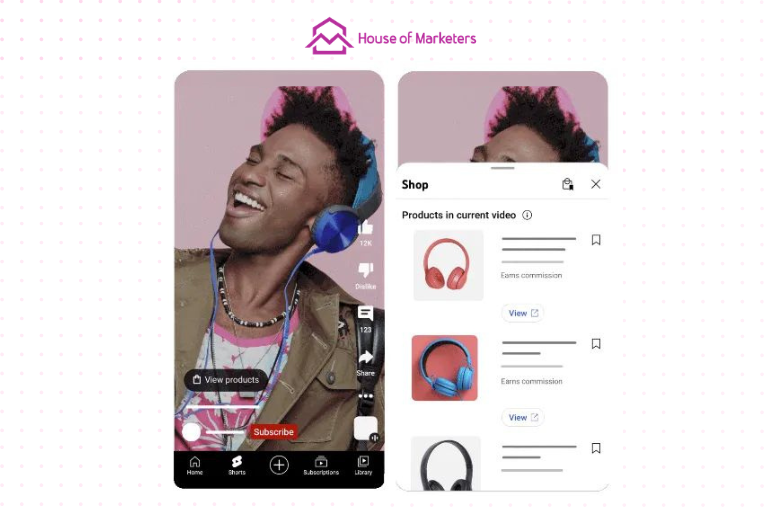
YouTube is separately piloting a change to how affiliate-tagged products are sourced in videos.
In this small-scale experiment, YouTube shows viewers the same creator-tagged affiliate product, but sourced from a different eligible local retailer rather than the one the creator originally linked.
YouTube frames this as a way to optimize for local merchant availability and improve conversion. But it’s a meaningful shift for any creator or brand relying on affiliate links tied to a specific retailer relationship.
Why Is YouTube Tightening Disclosure Now?
The FTC’s Endorsement Guides have required clear, easy-to-notice sponsorship disclosure since 2009, and the agency treats violations as real liability, not a formality.
Self-reported disclosure also isn’t as consistent as it should be. Morning Consult’s Influencers in 2026 report found only 53% of consumers say the influencers they follow are “always” or “often” explicit about sponsored content, meaning a large share of paid content isn’t being consistently flagged even now.
At the same time, the volume platforms need to police keeps climbing. eMarketer projects US influencer marketing spend surpassed $10 billion in 2025 and is on track to top $13 billion by 2027. At that scale, manual creator self-reporting alone can’t realistically keep disclosure consistent, which is the gap automated detection is built to close.
House of Marketers Insight
For YouTube influencer campaign agencies, this closes a gap that’s existed for years: disclosure has always been policy, but enforcement has been inconsistent and largely reactive.
Automated detection means a poorly briefed creator can no longer quietly skip disclosure and hope it goes unnoticed. That’s a compliance win, but it also means brands need to get ahead of it: campaign briefs should explicitly confirm who owns the disclosure step, and creators should understand that YouTube’s system, not just their own judgment, now decides whether a video reads as sponsored.
The affiliate sourcing test is worth watching too. If YouTube starts substituting retailers on creator-tagged product links, brands running affiliate-driven creator programs on the platform need visibility into whether their product is still the one being surfaced; otherwise attribution and commission tracking get murkier, not cleaner.
We work with creators across YouTube, Instagram, and TikTok every day, and disclosure clarity has always been one of the fastest ways to build trust with an audience rather than erode it.
So YouTube is preaching to the choir here.
If you’re building a YouTube influencer program that needs to stay ahead of platform disclosure rules, House of Marketers can help — get in touch with our team for a free campaign proposal.