


FMCG Influencer Marketing Agency
Get everyday products into everyday conversations. House of Marketers runs influencer and UGC programmes for mass-market food, beauty and personal care brands across the markets you sell in, using creator volume to build awareness, support launches and give your team content it can reuse.
250k+ Influencer Network
Get your free proposal
Trusted by






















Our FMCG case studies and results

What determined success
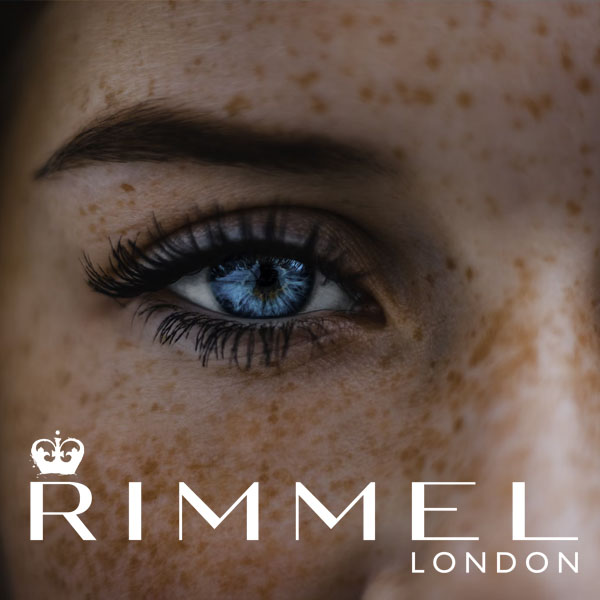
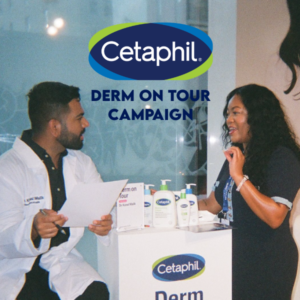
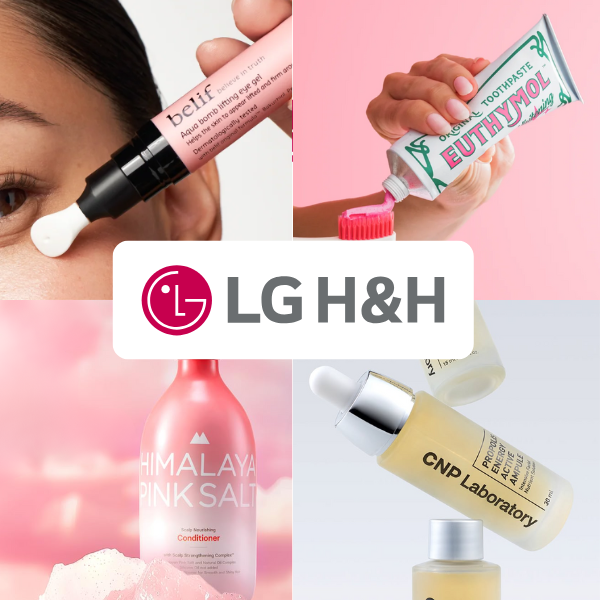
HelloFresh’s 200 to 300 creators a month reported 500+ tracked sales a month and a 30% average CAC reduction across several markets. Rimmel London’s mascara launch reported a 300% sales increase against typical launches and sold out seven times. Cetaphil’s micro creators captured the Derm On Tour pop-up in New York: 3.98M+ impressions and a 59% lift in brand awareness. LG H&H: five brands, 23M+ video views.
Volume programmes that support retail launches
Always-on creator volume
Many creators every month give a brand steady reach and a wider mix of formats than a one-off post. HelloFresh ran a programme at that scale across several markets.
Launch content that travels
Launch assets are made to leave social, so approved creator imagery can run in paid media and out-of-home. Rimmel London’s mascara launch reported a 300% sales increase.
Event reach beyond the venue
Micro creators capture an event as it happens, so the conversation reaches people who never walked in. Cetaphil’s Derm On Tour pop-up travelled past its New York venue this way.
Multi-brand programmes
Videos built around routines explain ingredients and show visible results, and one creator approach can serve several brands in a group.
Creator services for consumer goods brands
Volume creator programmes
Monthly programmes with 200 to 300 creators, as for HelloFresh, building reach week after week.
Launch and event content
Launches and events turned into creator content, as with Rimmel London’s mascara and Cetaphil’s pop-up.
Asset reuse across media
Approved creator imagery and video repurposed for paid, out-of-home, television and display.
Multi-brand creator programmes
Creator campaigns across several brands in one group, as for LG H&H’s five brands.
TikTok Shop for everyday products
Creator content that puts a pantry or bathroom staple in front of shoppers and links straight to the shop.
UGC challenges for shoppers
A challenge that gets shoppers posting with the product; we manage entries and boost the best further.
Earn a place on the weekly shopping list
Everyday products are small purchases, which makes volume and repetition matter. We plan creator programmes in volume, with many creators, many formats and steady waves tied to your launch calendar. We then reuse approved assets in paid media and other channels, and report against the number your brand team uses, whether that is awareness lift, engagement or sales during the campaign.
Plan volume, reuse and reporting from the first brief
Set the brand goal
Each brand and market gets its own goal, awareness, launch or acquisition, which sets how many creators the programme needs.
Brief creators in volume
Creators receive briefs matched to the product and the format, so a monthly wave stays varied while it stays on brand.
Reuse approved assets
Approved creator content moves into paid media and other channels, so one shoot serves several parts of the plan.
Report the retail metric
The number your team uses, such as tracked sales, acquisition cost or awareness lift, is agreed before launch and reported against.
Frequently asked questions about FMCG influencer marketing
Which consumer goods categories have you worked in?
Published work covers weekly meal kits, a makeup launch, a skincare event and five brands from a South Korean consumer goods group.
Can creator content support a retail launch?
Rimmel London reported a 300% sales increase against typical launches and sold out Thrill Seeker mascara 7 times. That launch also ran on TV, OOH and paid media.
How do you measure sales from creator content?
HelloFresh reported 500+ tracked monthly sales and a 30% average CAC reduction on TikTok against other social platforms. Tracking needs a code or link, and we agree the method before launch.
Do you promote food service offers and deals?
Yes. Tim Hortons promoted its Daily Deals and Spin to Win offers through 31 TikTok and Instagram influencers, and the TikTok content reached a 5.17% engagement rate.
Get an FMCG campaign proposal
Tell us about your products, the markets you sell in and the launches ahead. We’ll propose a creator programme, an asset plan for paid media and a measurement approach tied to your brand goals.
Get your free proposal