

DTC marketing connects a product explanation with a purchase route and a customer relationship the brand can measure. Creator content, product pages, search and post-purchase messages each need a defined role. More content is useful when it helps a buyer make the next decision.
The six tasks below use House of Marketers campaign observations and a separate third-party analysis of Misen. They provide a planning sequence, rather than a promise that one format or channel will produce the same result for another brand.
Jump to a section
1. Give the content a specific customer question
Review support questions, product reviews and the language customers use before choosing a campaign theme. Write a brief that identifies the problem, the product action a creator can show and the intended next step. The product page should answer the same question.
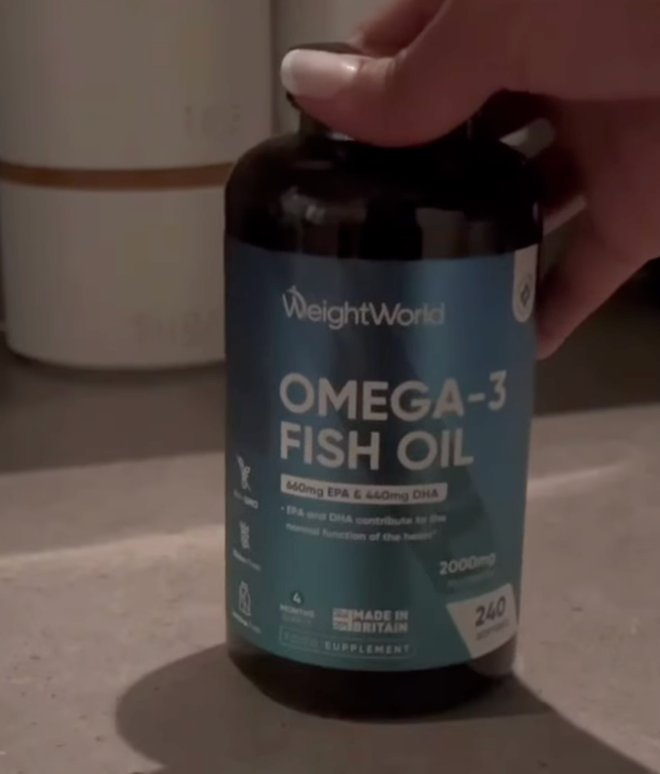
House of Marketers’ WeightWorld work used problem-led creator explanations for 11 supplements across four countries. The original campaign account reported 12.4 million views and a 22% average increase in brand search. These are reported campaign observations; the search comparison does not isolate the effect of an individual post.
The account also described a 250% increase in searches for the local term “kreatin” after a creatine video. Retain the language insight when planning product information, while keeping a temporal association separate from a controlled claim that the video caused the increase.
2. Brief the explanation and the intended asset
Choose a creator with relevant experience, specify approved product information and let the creator develop an expression that fits their work. A hook should introduce a useful situation or question; a product demonstration should leave the viewer better able to evaluate the offer.
For Nishane, House of Marketers reported that the cost per new follower fell from $1.02 to $0.60 in a week as creator UGC joined the content mix. The campaign used 89 videos and iterative paid testing. This is a follower-acquisition observation from a fragrance campaign, rather than a customer-acquisition or sales benchmark.
Use the influencer brief template to record the audience, explanation, deliverables, review boundaries and rights. Agree reuse for product pages, email and paid placements separately from an organic post.
3. Connect the creator’s language with the destination
A viewer may search for the product, an ingredient or a comparison after seeing a creator post. Prepare the relevant product information, buying guide or comparison before distribution. Use clear, accurate language that matches the explanation rather than repeating keywords without answering the question.
The social search guide explains how creator content and useful destinations fit together. Keep the route suitable for the intended market, product version and offer. A visit is a response to inspect; it does not by itself establish purchase intent or a sale.
4. Turn recurring questions into the next brief
Collect comments and support questions, group them by topic and assign an owner for the answer. Questions about product use may need a demonstration; questions about delivery or returns belong in the customer experience. Repeated misunderstandings can reveal a gap in the product page or the original brief.
Misen’s product demonstrations, discussed below, illustrate how a question can become a content task. Use the question to decide what needs showing. A positive comment or a widely viewed clip should not be treated as a complete measurement of commercial demand.
5. Plan reuse and post-purchase education
With appropriate permission, a creator’s how-to material can help explain the product after purchase as well as before it. Prepare a welcome sequence, usage guidance or a replenishment reminder around the customer’s actual stage, consent and product needs.
A creator code or tagged link can identify some acquisition journeys, but it will not identify every customer. Keep unassigned orders visible in reporting. Compare time to second purchase and repeat-purchase behaviour over a defined window, accounting for offers, stock and other marketing activity.
Rights need to cover the intended reuse. An agreement for a social post does not automatically include an email, a product page or an advertisement.
6. Measure the job before increasing distribution
Separate delivery, audience response and commercial outcomes. Use viewing behaviour and product questions to improve an explanation. Use conversion rate, customer acquisition cost, average order value and repeat purchase when they match the commercial objective. Include production, licensing, commissions and media spend in the cost definition.
In its Nebula example, House of Marketers described working with 12 creators and reporting CPM 30% below its selected spirituality-niche benchmark. That comparison concerns cost per thousand views under the campaign’s benchmark definition. It is not a measure of customer value or proof of the same efficiency in another category.
The campaign measurement framework connects those different layers. Review the destination and customer quality alongside the creative, then decide which specific change the next test should make.
Misen: turn a product objection into a creator demonstration
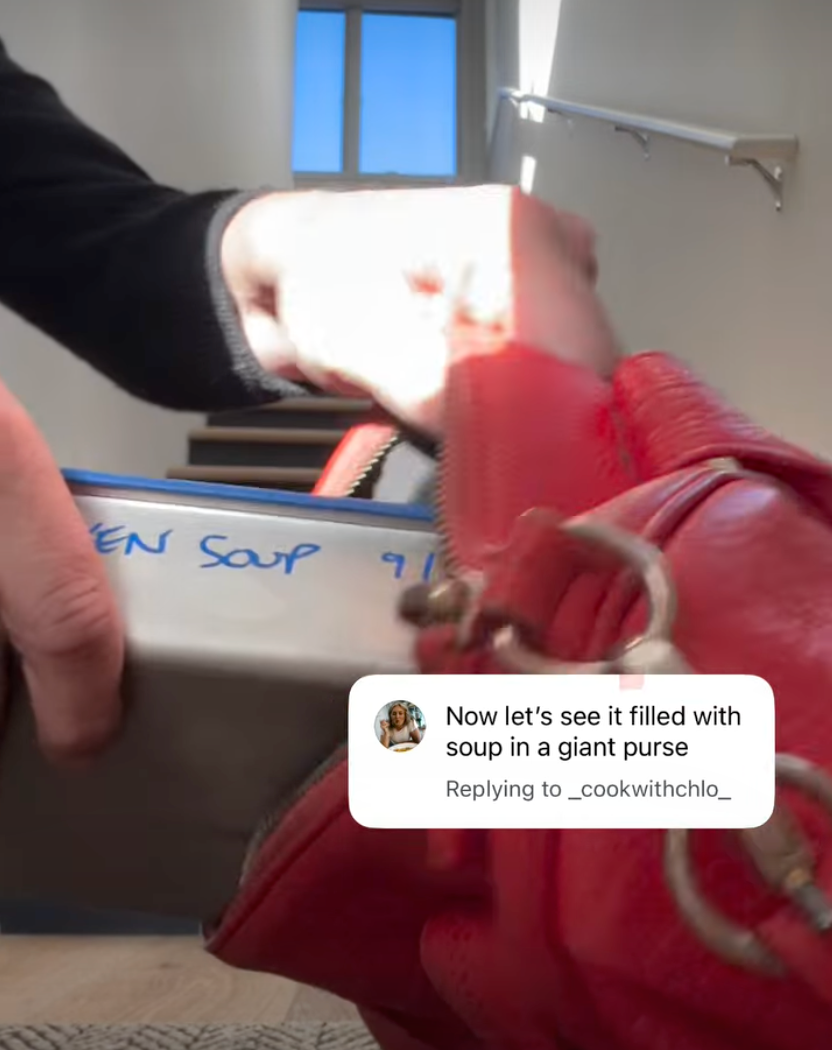
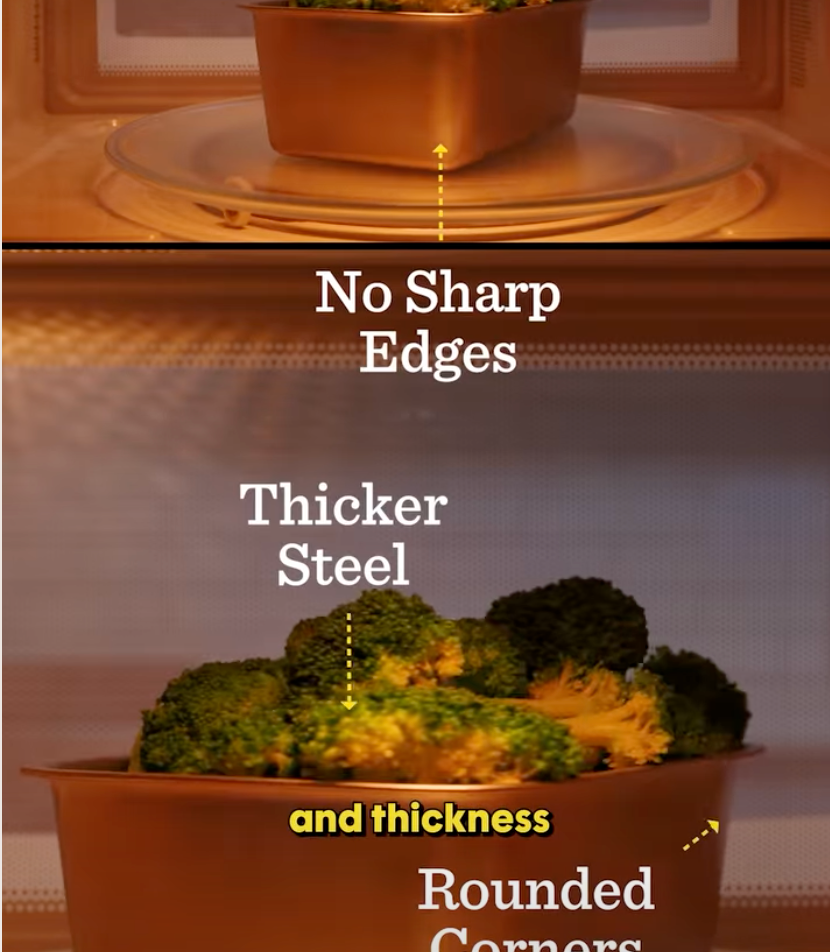
Misen provides a third-party example of a DTC brand making product questions visible in its content. Its cookware and Misenware storage material gives creators a concrete task: show how the item is used, explain a feature or respond to a question a shopper has already asked. The useful mechanism is the connection between the objection, the demonstration and the product page.
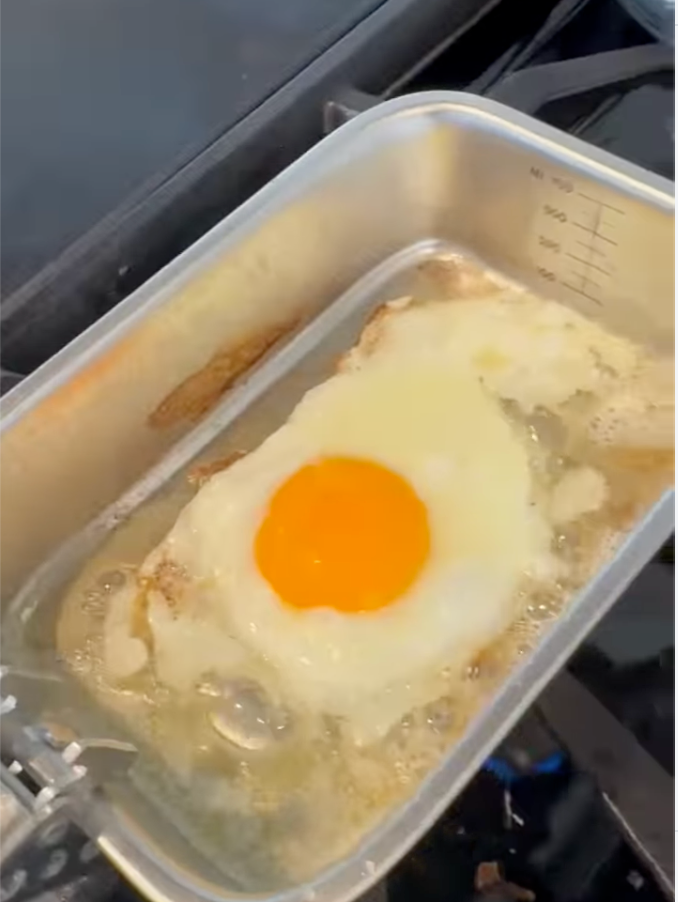
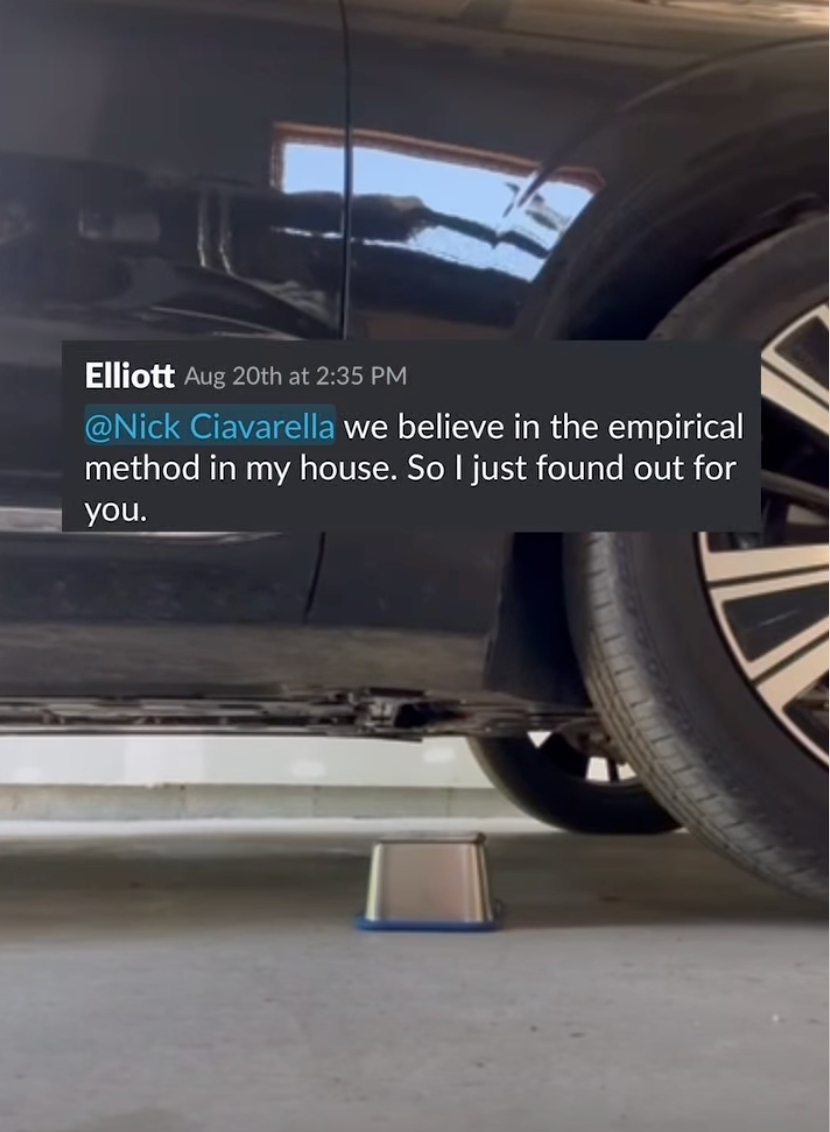
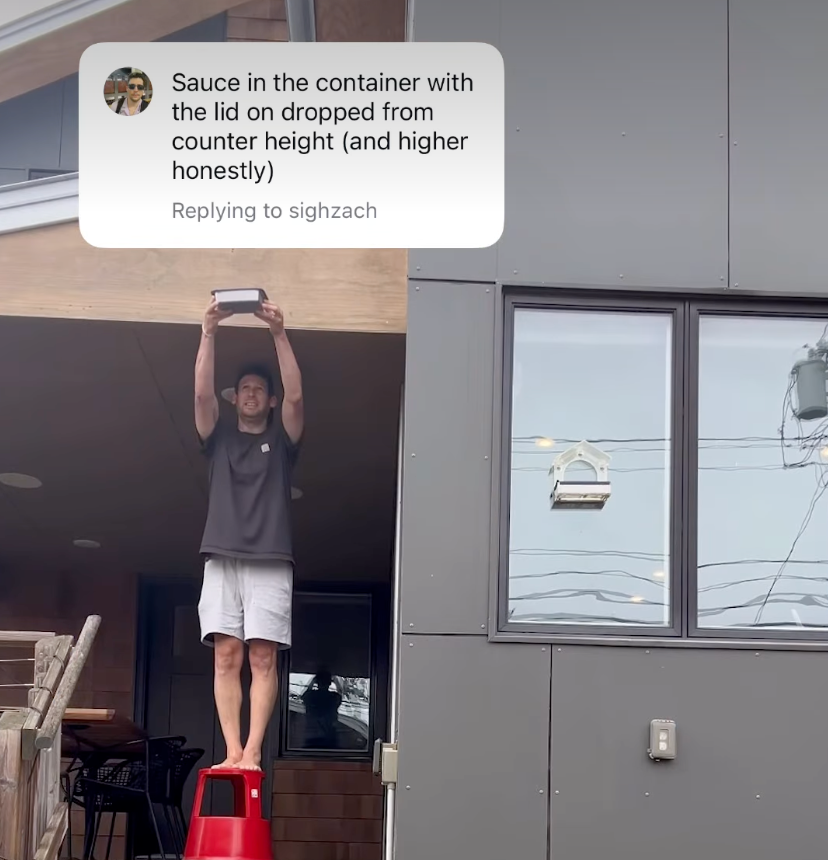
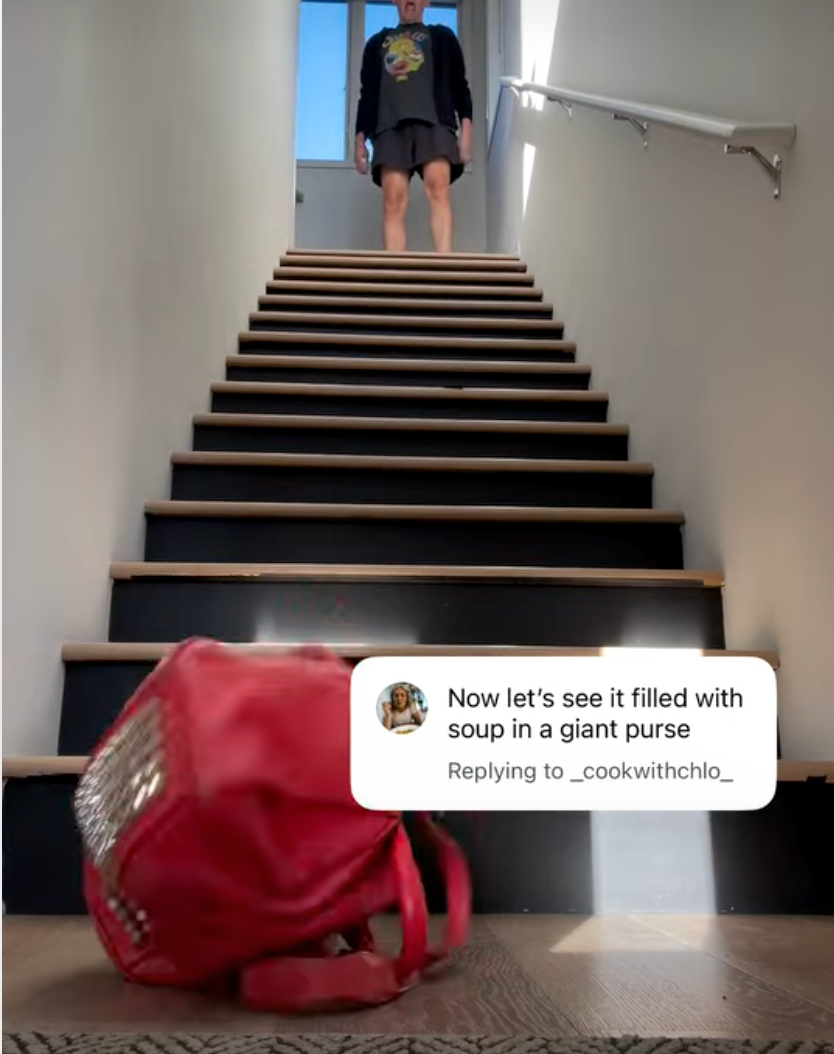
Misen’s Misenware collection describes the storage range and its intended uses. Brief demonstrations from current product instructions. A dramatic durability clip is a piece of campaign creative, rather than a substitute for safety information or a reason to repeat an unusual test at home.
| Format | Question it can answer | Planning requirement |
|---|---|---|
| Food-storage review | How does the product fit meal preparation or storage? | Choose a creator with relevant practical experience and show the product in use. |
| Chef or community story | What useful work does the cookware support? | Keep the person, setting and supplied product in their actual context. |
| Feature explainer | How is a feature intended to work? | Use the current specification and approved instructions; keep limitations visible. |
| Artist collaboration | What makes this version or design distinctive? | Explain the collaboration, product and available range without implying a performance advantage. |
| Everyday routine | Where does the item belong in an ordinary kitchen? | Show a recognisable task and the next product question, rather than an unexplained placement. |
Separate seeding, commissioned work and paid distribution
Sending a product does not guarantee a post or a positive recommendation. Confirm whether the creator wants to try it, record the relationship, and agree deliverables separately when a campaign needs contracted content. Commissioning and licensing are separate decisions from an unsolicited review.
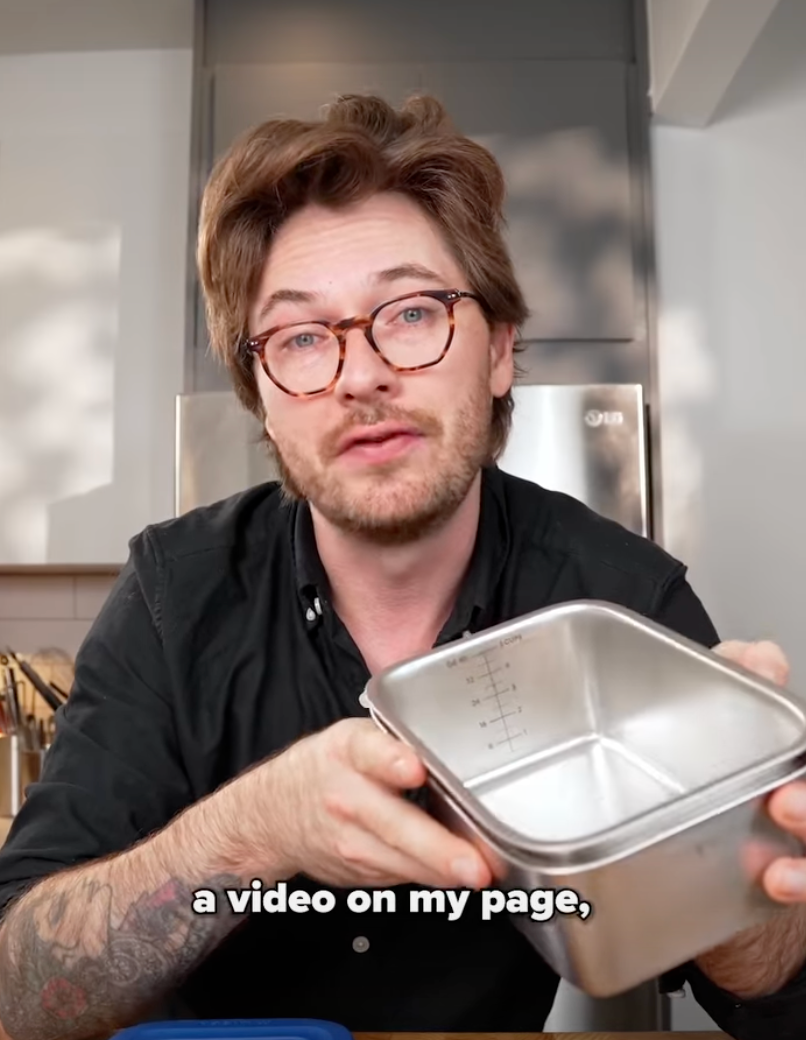
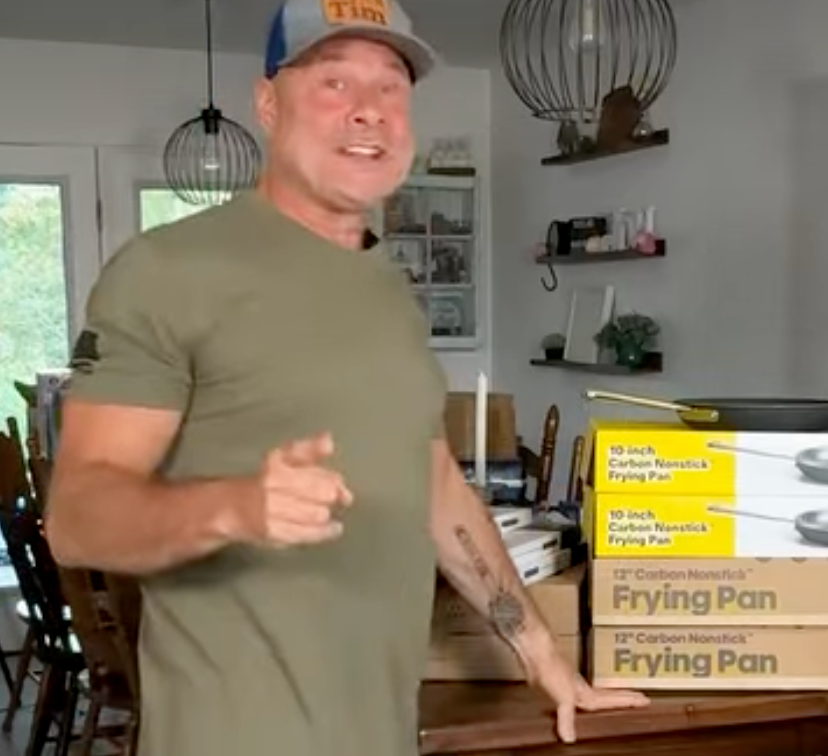
The source analysis discussed food creator Mishka, chef Tim’s teaching material, Walker Noble’s illustrated knife collaboration and home-kitchen routines. These are examples of different content jobs. Their individual views, launch revenues and the number of ads visible in a library cannot establish the incremental sales contribution of creator content without a matching measurement record.
For a comparable programme, House of Marketers’ influencer seeding service supports product-led creator outreach. UGC campaigns provide a route when the brand needs a defined production brief and assets. Build permissions for the intended paid placements into that plan before selecting content to amplify.
A practical launch sequence is to list recurring objections, select relevant contributors, publish a clear demonstration, connect it to the matching product information, and test approved assets in paid media. The e-commerce influencer marketing team can plan those connected tasks; TikTok advertising services address the paid distribution component when TikTok is the intended channel.
A practical launch order
| Stage | Work to complete | Acceptance check |
|---|---|---|
| Brief | Choose an audience question, product explanation and main objective. | The creator and brand agree what the viewer should understand. |
| Prepare | Confirm product information, destination, permissions and reporting. | The content promise and the purchase route match. |
| Publish and test | Distribute a manageable set of relevant creative approaches. | Assets and paid versions have stable identifiers and comparable definitions. |
| Review | Reconcile audience response, conversion quality and the full cost. | The team can name a specific next action instead of merely reporting views. |
| Retain and reuse | Renew useful creator relationships and approved assets. | Rights remain current, product information remains accurate and reuse serves a defined task. |
DTC marketing questions
What is DTC marketing?
Direct-to-consumer marketing supports a brand selling directly to customers through its own website, app or other direct channel. The brand needs a clear product explanation, a usable purchase route and a way to serve and understand its customers.
How do creators contribute?
Creators can demonstrate a product, explain an individual experience and produce assets for agreed placements. Their role depends on the audience and the task. A commissioned asset, a gifted product and an independent review should remain distinguishable.
How should a brand choose its next investment?
Find the constraint in the current journey: product understanding, destination quality, distribution, measurement or retention. Test a change that addresses that constraint, and evaluate it with the appropriate commercial and diagnostic measures.
Plan the work with House of Marketers
House of Marketers plans creator campaigns around the product, audience and intended action, with creator sourcing, content production and paid distribution shaped by that brief. Bring the market, product information and measurement objective into the discussion.