



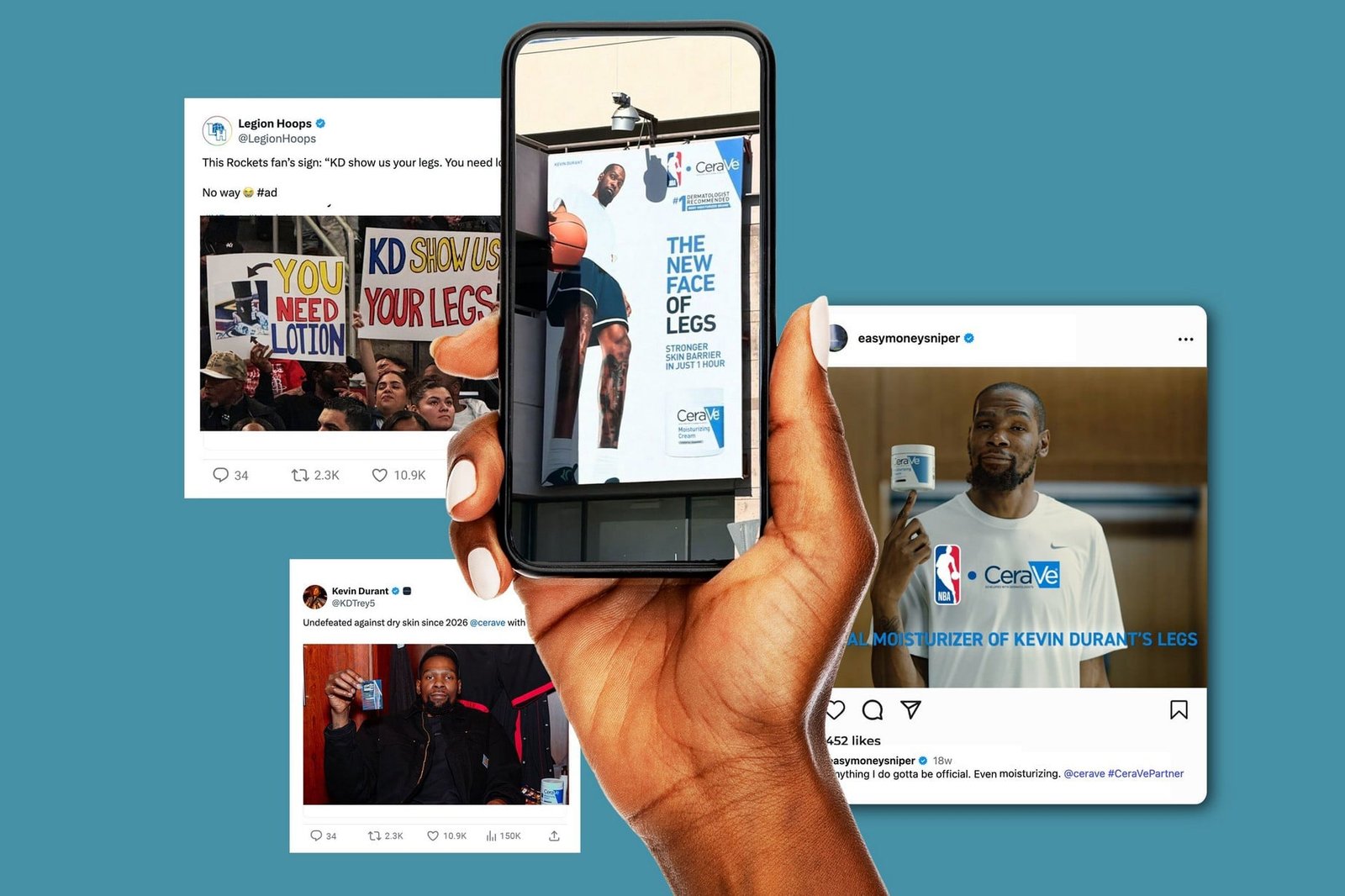
Kevin Durant became the face of a skincare campaign. Specifically, his legs. After years of internet jokes about his dry ankles, CeraVe gave the joke a sponsor and a product demonstration. By June, the brand was reporting 83 million organic video views and a 43% sales lift in its campaign results.
Before you add “go viral” to the next creator brief, look at what people actually had to pass around. A celebrity agreeing to laugh at himself is a much better start than six mandatory product messages.
The best ideas gave the audience something to do
This is House of Marketers’ selection of ten standout viral and widely distributed creator campaigns with documented activity in 2026, reviewed through 11 November. We also examine our Mamonde and Oriental Trading case studies published this year. Their full campaign periods are not publicly specified, so their figures remain reported campaign totals, rather than 2026-only results.
We have ordered the ten examples for what they teach a marketer, rather than pretending that video views, shares and revenue form a global league table. Celebrity and artist partnerships sit alongside specialist creators. Where paid distribution helped build reach, we say so. Reported campaign totals are retained at their stated scope; they are not automatically organic views or sales caused by the campaign.
The useful question is what the audience contributes after the contracted post goes live. Does the idea invite a joke, a performance, an entry, a recommendation or a practical question? That contribution should have somewhere to go. A brilliant piece of entertainment can still leave the product standing awkwardly in the corner.
For this review, viral means a campaign has evidence of substantial circulation or audience participation, with the exact evidence identified in each example. Some cases document sharing directly; others show large view counts without revealing how much distribution came from the audience. Read those cases differently. When you present a comparable idea internally, specify what must spread, who should spread it and how you will distinguish that response from the exposure you purchased.
- CeraVe gave an old internet joke a useful ending
- Salesforce made the audience play along with MrBeast
- Buldak gave fans an emotion they could perform
- Vaseline brought the original creators into the product
- Virgin Voyages planned what would happen after the trip
- DEWALT gave working creators something worth attending
- Revolve made the gifting suite useful to people outside it
- FREDERIC gave a track hundreds of chances to travel
- O2 made its technology essential to the game
- Uber joined the Tim Payne story while people still cared
CeraVe gave an old internet joke a useful ending
CeraVe’s February launch made Kevin Durant its “New Face of Legs”. The rollout let him respond to the jokes, put moisturiser into staged gym sightings, and brought dermatologists and skin creators into the conversation. By the reveal, the product had a recognisable job. It could answer the very thing fans had been teasing him about.
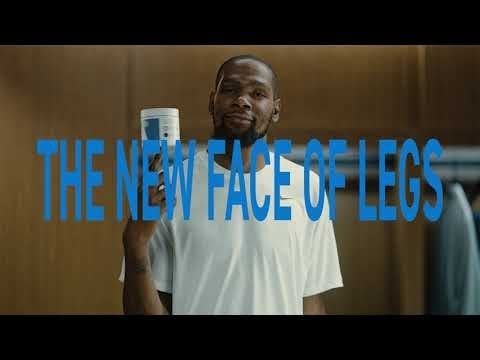
The sequence matters. Durant supplied permission to laugh; expert creators could explain the use. Those are different jobs, and asking one person to do both in a single tightly scripted video would have produced a different experience. The athlete’s history made the entertainment specific to him. The moisturiser made the punchline relevant to a buyer. Without that connection, the campaign would have been an expensive running gag.
The brand later reported 83 million organic video views alongside a 43% sales lift. Those are encouraging commercial signals, but the public account does not provide a control group or enough detail to reconstruct the sales comparison. The video-view count is explicitly organic; the broader campaign also used TV, out-of-home and retail placements. You cannot attribute the whole sales movement to one creator post.
For your next brief, start with something the creator’s audience already recognises: a recurring frustration, a running joke, a habitual activity. Then ask whether the product can visibly improve it. Get the creator’s agreement on the joke and give an expert a separate role if the category needs explanation. The conversation should leave the audience able to say what the product does. Otherwise, you have bought a place in someone else’s meme and forgotten to bring a reason to shop.
Salesforce made the audience play along with MrBeast
Salesforce used its 2026 Super Bowl partnership with MrBeast to build a million-dollar puzzle hunt. Viewers had a reason to leave the ad and investigate a world of clues. In Salesforce’s customer account, more than one million players used Slackbot during the experience. The software was part of how people played.
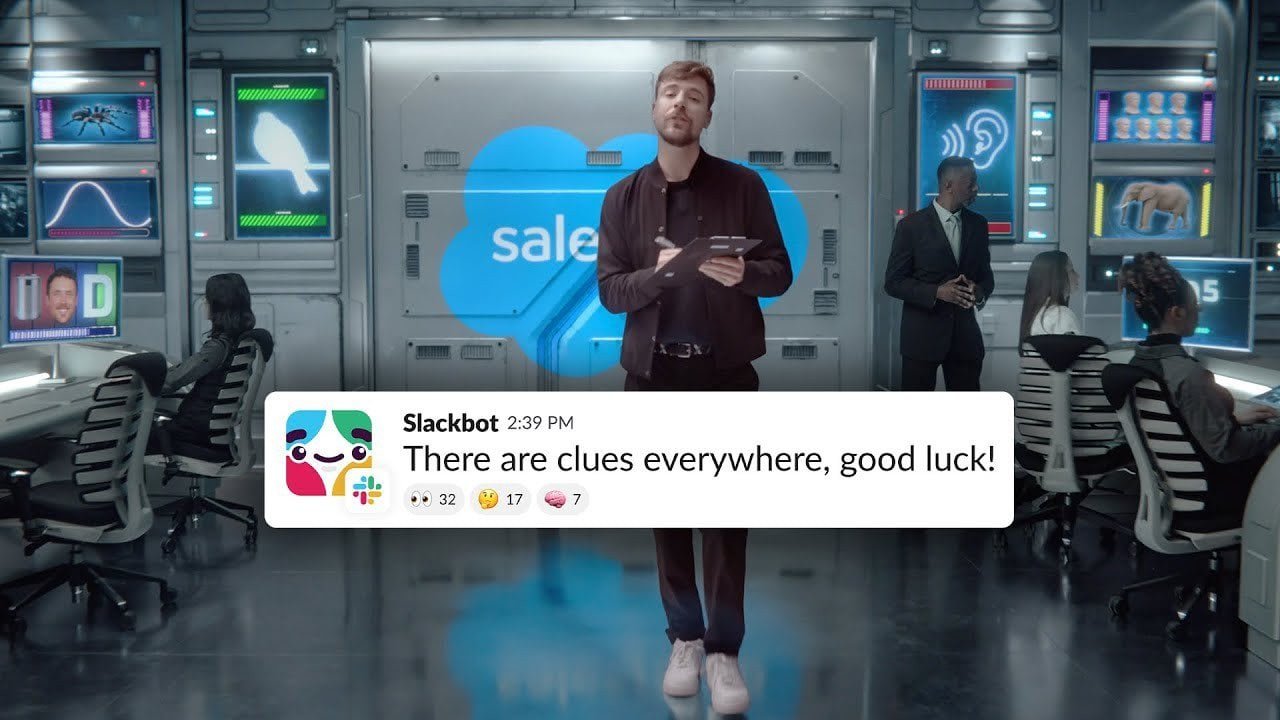
That is a more demanding brief than booking a creator cameo. MrBeast’s audience knows the appeal of a large prize and an apparently impossible challenge. A puzzle gives that audience a role with consequences. People can compare clues, ask for help and return when they think they have spotted something. Each unresolved step supplies a reason for another conversation without requiring another polished brand film.
The critical detail for a software marketer is the product encounter. Attention to a celebrity tells you little about whether someone understands the sponsor. Asking the audience to use a tool creates an observable behaviour you can study. It still does not make a prize hunter a qualified enterprise buyer. Participation, successful product use and commercial demand need separate reporting. A million people playing a game is not a million sales opportunities.
You can borrow the structure without borrowing the prize budget. Design a short challenge that makes one valuable product action necessary: solve a real scheduling problem, improve a design, or find an answer in a complicated dataset. Brief a creator whose audience already enjoys that kind of task. Plan the help, moderation and capacity before launch, and decide which completed action counts as meaningful. The audience should be able to experience the promise rather than merely hear a creator read it out.
Buldak gave fans an emotion they could perform
Buldak’s Hotter Than My EX campaign arrived around Valentine’s Day with BOYNEXTDOOR, a reworked track and a short-form challenge. The artists helped write campaign lyrics. Limited packaging gave the entertainment a retail destination. Samyang subsequently said the official film passed 100 million YouTube views by 17 April, according to Electronic Times’ reporting.
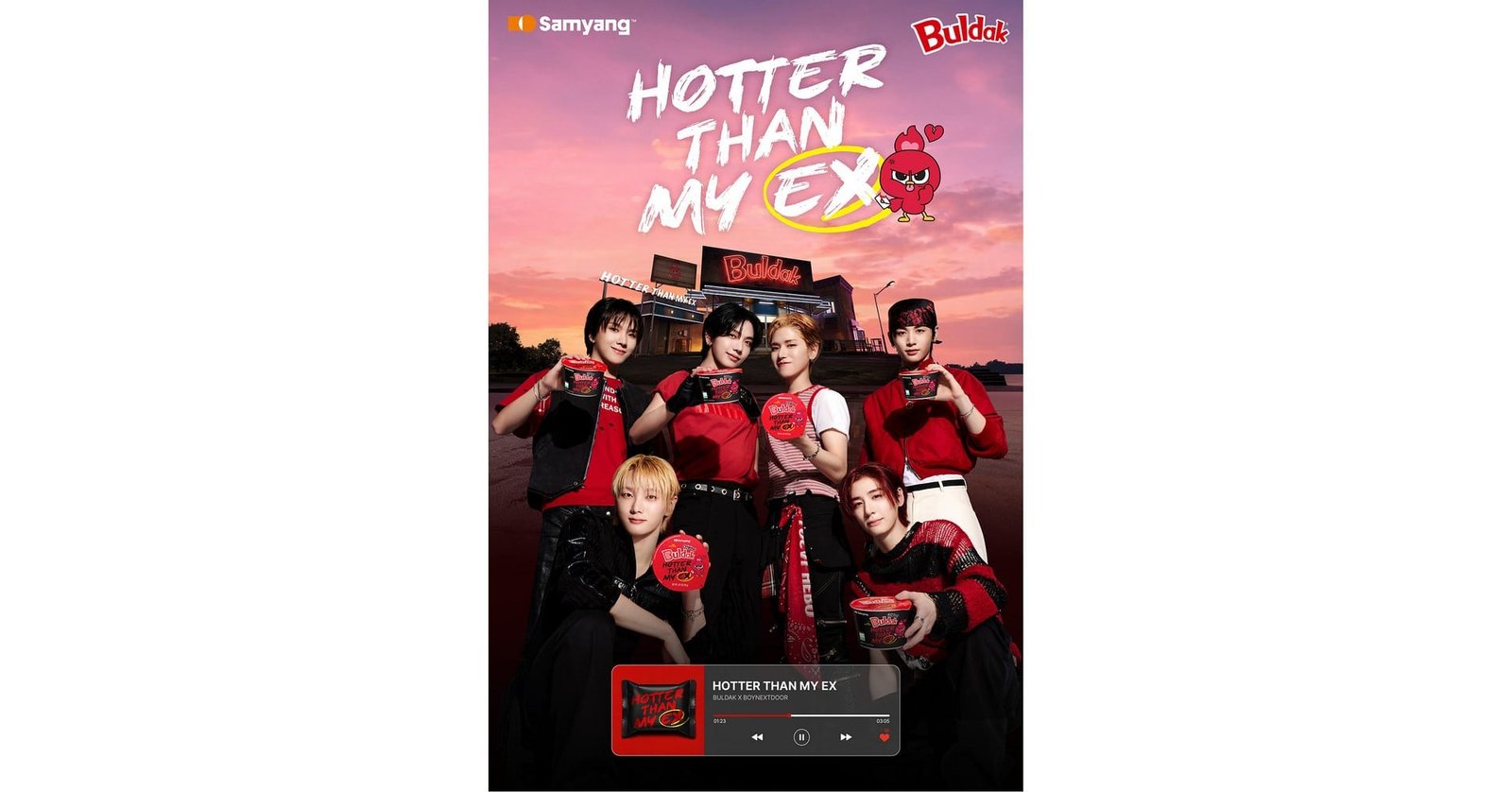
Heat is a product property. Getting over an ex is a social situation. The campaign joined the two in a phrase fans could act out, dance to or send to a friend. That creates more creative possibilities than a bowl held beside someone’s face. The product still belongs in the idea: the joke loses its meaning if you remove the brand’s association with spice.
Artist fandom can get a piece of content moving quickly, but the original film’s views are not a count of fan recreations. The published total does not separate paid from organic distribution, and it is not evidence that the limited packaging increased sales. Those limits do not make the creative less interesting. They tell the team which follow-up questions to ask before treating a very large number as a repeatable acquisition model.
If you commission a track or challenge, brief the behaviour people can repeat. A dance move, a reaction or a recognisable social situation needs to be intelligible without the campaign deck. Give creators room to make it their own and secure the music and paid-use rights before you need them. Then measure the output beyond your paid roster: distinct creators, new posts using the sound, quality of product mentions and traffic to the available product. A catchy chorus can do a lot of work. It cannot fix an empty shelf.
Vaseline brought the original creators into the product
In spring 2026, Vaseline turned creator uses into purchasable products. Jen Chae and Lauren Luke were connected to Brow Tamer Jelly and All-In-One Primer & Highlighter Jelly, appearing in the launch and sharing in sales. Unilever’s account says the initial Thailand TikTok Shop drop sold out within minutes and an April restock also sold out.
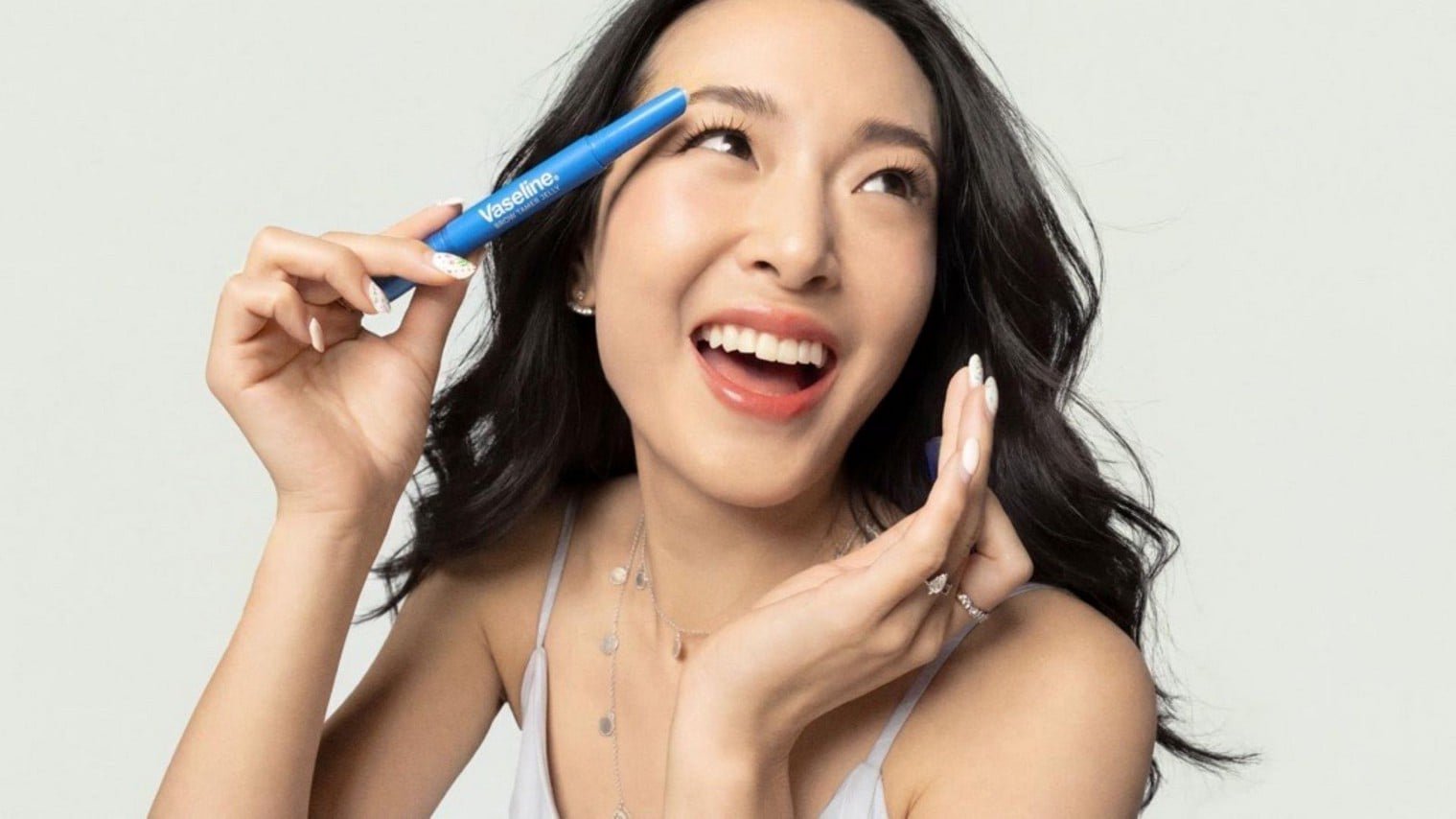
This belongs in a viral campaign discussion because the launch commercialised behaviour people were already circulating. It also changes the relationship with creators. The useful contribution may have happened years before the brand commissioned the campaign. Finding the originator, checking the use and giving them a commercial role is more substantial than hiring whoever most recently reposted the idea.
The 2026 launch should not inherit every impression or award from the earlier Vaseline Verified programme. Nor does a quick sellout tell us the size of the business without an inventory count. The evidence establishes demand for a limited drop and a distinctive collaboration model. It does not establish a forecast for every creator-inspired product. That is enough to make the product and marketing teams pay attention.
The practical move is to review what customers and creators keep showing each other about your product. Look for repeated, useful behaviour rather than a single spectacular clip. Let product specialists evaluate safety, feasibility and claims. Credit the person who contributed the idea and define their compensation and role before filming. A creator could help demonstrate the new product, explain its origin or answer live questions. This takes more coordination than an awareness burst, but it gives the campaign a reason to exist beyond a launch date on a marketing calendar.
House of Marketers made Mamonde demos specific enough to save
Our Mamonde case study, published in October 2026, reports 86.7 million views across 215 creator posts and 26,475 saves. The programme covered the UK, Poland, Sweden and Czechia. The creative started with recognisable beauty problems such as makeup sitting badly or the need for skin preparation, then put the product into demonstrations and routines.
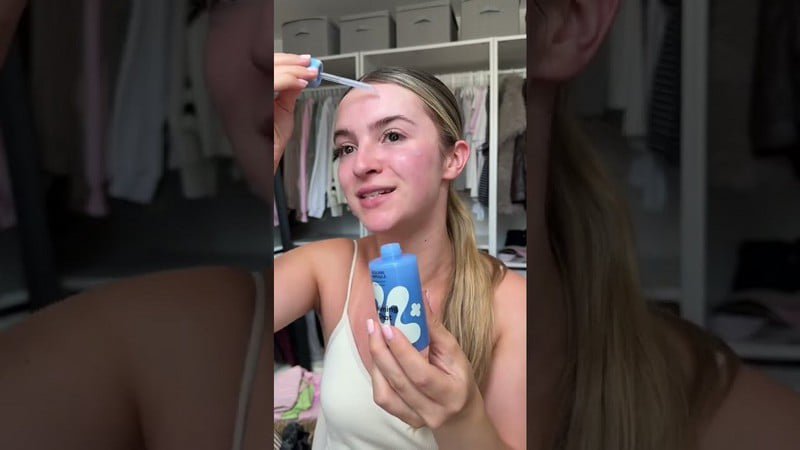
The case is useful alongside CeraVe and Vaseline because it gives a more everyday version of the same product discipline. A creator can begin with a concern their audience recognises and show a specific step in response. Texture shots, application and comparisons give viewers something to inspect. In the reported UK Calming Shot activity, 31 posts generated 11.9 million views; the case also identifies an individual post with 2.2 million views.
Full campaign results published in October 2026. Flight dates and paid/organic split are undisclosed.
A save has a plausible role here. Someone might want to revisit the routine or remember the product at a retailer. We cannot tell that person’s intention from the save alone, but it suggests a useful follow-up test: does a saved demonstration lead to later product-page activity or search? The next brief could address the questions viewers left in comments, making the audience’s uncertainty the subject of the next asset.
These are our published full-campaign results, with no disclosed paid/organic split or complete flight dates. They should not be read as a causal sales result or a 2026-only tally. The 215 figure is posts, not creators. What the work demonstrates for planning is the value of a consistent product argument that can take different forms across creators and markets. Give each creator the same substantiated product benefit and retailer information, then let the setting and delivery fit the audience.
Virgin Voyages planned what would happen after the trip
Virgin Voyages took creator hospitality to an unusual scale in April 2026. Its TikTok case study reports 1,103 creators, more than 3,200 hashtag-linked posts and 22.7 million hashtag views. It also reports a 696% increase in TikTok-referred website traffic. The voyage supplied the setting; the publishing and distribution plan gave it a life beyond the ship.
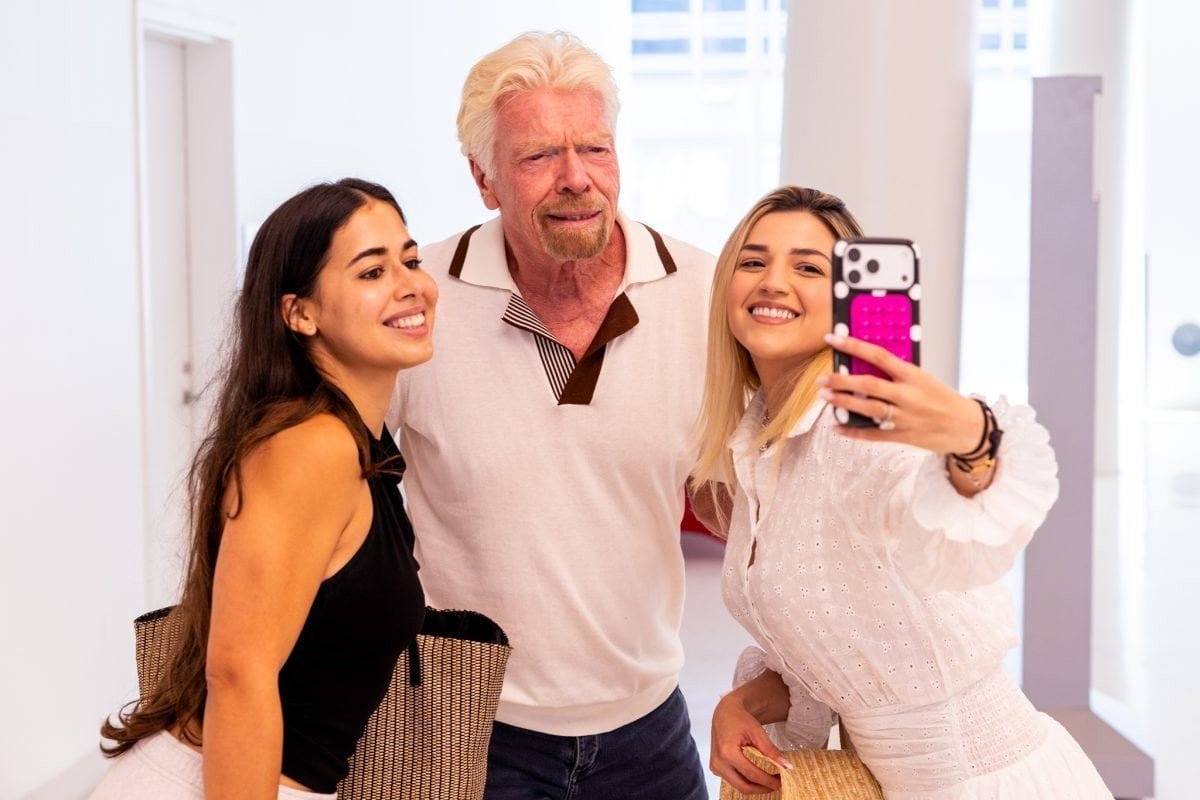
An event works harder when creators can find different stories within it. Someone interested in food can document a meal; someone whose audience is booking a group holiday can explain the accommodation or atmosphere. Asking everyone to deliver the same itinerary recap wastes that difference. The marketer’s job is to make the relevant experiences accessible and accurate, then leave the creator enough room to make them useful to their audience.
The case also describes 180-day paid usage rights. Creator distribution and paid amplification both contributed to the campaign. That detail deserves as much attention as the trip photos. A creator experience can produce material for a later consideration campaign, provided the brand has permission and the asset answers a real buying question. The reported traffic increase has no published baseline volume in the case, and hashtag views are not unique travellers. Neither should be presented as bookings.
Before approving an IRL creator programme, write the post-event plan. Which questions should the content answer? Who will review the assets? Which clips could be used in paid media, on product pages or in a travel-planning sequence? Budget for the rights and the editing work. Track invited creators’ deliverables separately from additional posts and wider conversation. A ship full of cameras can produce plenty of content; the advantage comes from making that content findable and useful when someone is actually deciding where to spend their holiday budget.
DEWALT gave working creators something worth attending
DEWALT’s Built Black + Yellow event ran in August 2026, bringing trade-worker creators into a programme of hands-on product access and shared experiences. In Lia Haberman’s interview, the brand’s social lead described 100 creators, more than 1,000 unique posts and more than 56 million organic views. The guest list had a clear relationship to the work the products perform.
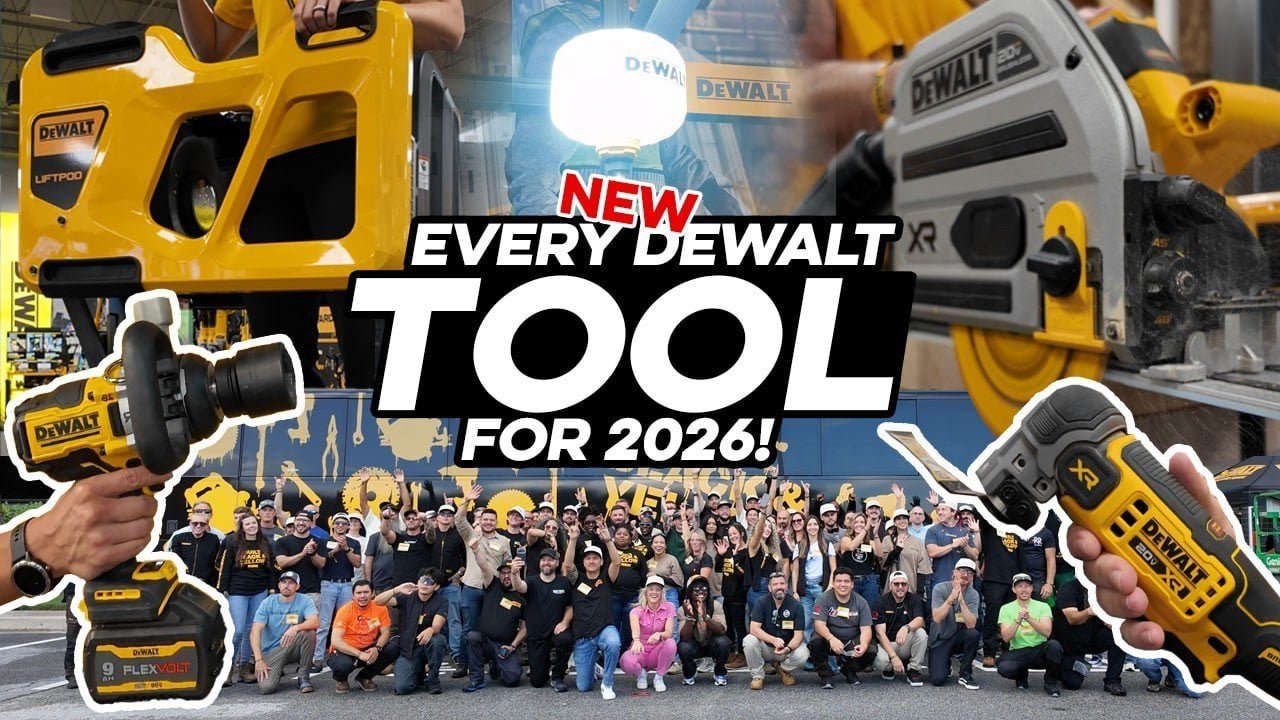
This is a useful counterweight to the assumption that a creator event needs a beach, a celebrity and an unboxing filmed beside a pool. A specialist audience wants to see how something behaves in the hands of a person who uses it. The event can provide tools, access and conversations that a creator could not easily organise alone. That gives them a practical reason to attend and their audience a reason to watch.
The reported organic views indicate distribution beyond a paid media buy, but they are still a brand-reported cumulative count. They do not establish unique reach, sales or a return on the event budget. The interesting planning question is which parts of the experience produced substantive product content and which merely produced attendance photos. Both can have a role, but they should not be treated as interchangeable outputs.
For a specialist brand, build the agenda around what creators want to learn or try. Include time with product people and peers, and make the filming conditions workable. Give guests a route to ask difficult questions without turning every interaction into an approved testimonial. After the event, examine product-specific comments, saves, follow-up requests and continuing creator participation. The relationship becomes more valuable when a creator can return with another useful story. An invitation is the start of that work, not a substitute for it.
House of Marketers gave Oriental Trading creators different jobs
Our Oriental Trading campaign is another useful application, published in September 2026. House of Marketers reports 11.1 million video views from 73 videos and 39 creators. The roster included 16 main creators, 17 gifted UGC creators and six TikTok Shop creators. Parent, teacher and craft content placed the products inside occasions people could recognise.
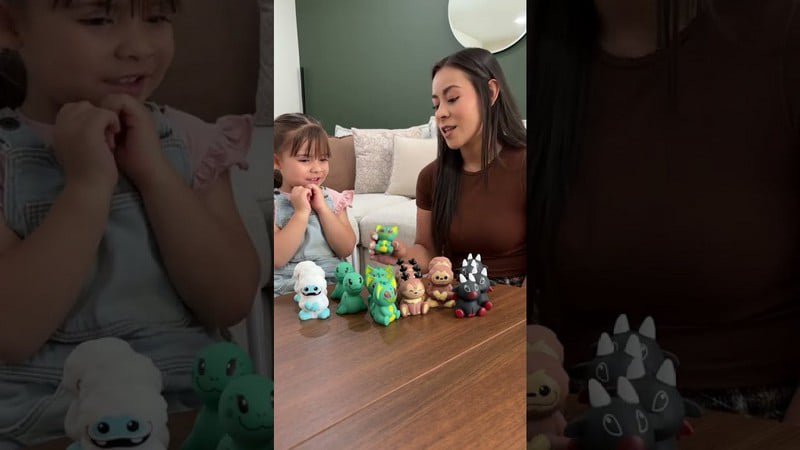
Those roles make a more useful planning model than treating every creator as an interchangeable unit of reach. An established voice can introduce an idea. A product user can show the details. A shop specialist can make the next step easier to complete. The creative still needs to work on its own, but the team can judge each asset against the job it was commissioned to do.
Show data
| Creators | |
|---|---|
| Primary creators | 16 |
| Gifted UGC creators | 17 |
| TikTok Shop creators | 6 |
House of Marketers
The 39-creator programme assigned different jobs. This is a roster breakdown, not an estimate of each group’s contribution to results.
The agency also reports views 38% above forecast and cost per view 45% below projection. The comparator is the campaign plan, not a TikTok-wide benchmark or a competing agency. A separately reported 75% brand-preference uplift over direct competitors comes without the public question wording or sample needed to reconstruct it, so it should not carry the investment case by itself. The full campaign dates are undisclosed, and paid activity supported distribution.
For a retailer with a large catalogue, this suggests a concrete way to brief. Select the occasion first, then choose products that complete it. Let a teacher show a classroom activity or a parent show the finished party setup. Decide which asset will introduce the idea, which will answer practical questions and which will help someone buy. A video can be shared because the finished result looks achievable; the retailer earns the next click by making the required items easy to identify. Different creator roles should meet at that same useful customer experience.
Revolve made the gifting suite useful to people outside it
Nicole Sahebi’s Coachella content offered viewers more than a tour of products they had not been invited to receive. She gave them a chance to win the gifting-suite haul by commenting their favourite artist. In its 2026 Coachella analysis, Meltwater recorded 116,000 shares, 52,700 saves and 18,400 comments for the post.
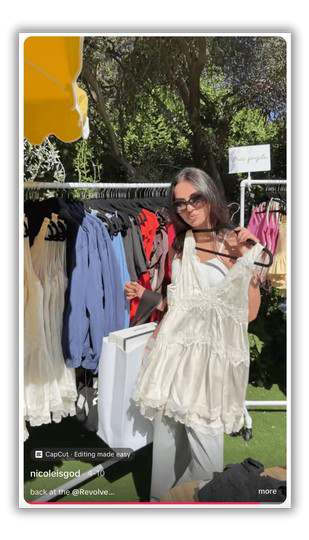
The creative choice changed the viewer’s relationship with the scene. A gifting suite can be entertaining, but it can also look like a room full of free things for people who already receive free things. An entry mechanic gives the audience a stake. The question about a favourite artist belongs to the occasion, making it easier to join without writing a miniature brand testimonial.
Show data
| Actions | |
|---|---|
| Shares | 116000 |
| Saves | 52700 |
| Comments | 18400 |
Meltwater · Coachella 2026 analysis. One TikTok post; counts as reported by Meltwater on 21 April 2026. Study coverage: 1–20 April 2026. Actions are not unique people or sales.
One post, rounded reported counts. Meltwater’s analysis covered 1–20 April 2026; giveaway actions do not establish purchases.
Shares, saves and comments show different ways the audience responded to the post. They remain a snapshot of one post within Meltwater’s selected Coachella coverage. A giveaway can prompt saves and shares because someone wants the prize, not because they want to buy a featured product. Treat the result as evidence of participation and distribution. It does not establish incremental sales or the value of Revolve’s entire festival programme.
If you use a giveaway, choose an entry action you can learn from and keep the terms clear. Watch what people say about the products separately from their entries. Track whether attention continues after the winner is announced. Consider a follow-up creator post that helps non-winners choose an item or recreate a look at their own budget. The prize gets people into the conversation. The next piece of content has to give them a reason to stay after someone else wins.
FREDERIC gave a track hundreds of chances to travel
A music campaign offers a useful lesson in creative volume. For FREDERIC’s 2026 track PARALYZED, SpaceLoud’s campaign report describes simultaneous two-week challenges on TikTok and Instagram Reels, with 30 paid prize positions on each. 187 creators submitted 356 posts, generating a reported 53,096,026 views. Seven posts exceeded one million views.
Show data
| Views | |
|---|---|
| Reels | 47972847 |
| TikTok | 5123179 |
SpaceLoud · FREDERIC case study. Two simultaneous, two-week challenges. View totals are not unique people. Reported by SpaceLoud on 28 April 2026; exact campaign dates not disclosed. Values read off the picture; verify against the source.
Two platform totals from the same creator challenge. SpaceLoud reported the results on 28 April 2026; counts are not unique people.
The distribution of attempts is the part worth studying. A campaign can be commissioned as one expensive prediction about what people will like, or as several informed creative attempts with enough freedom to find different audiences. Here, a common song supplied continuity while leaving room for different creative interpretations. Seven large posts existed within a much bigger body of work.
The platform split is also a reminder to test assumptions. SpaceLoud reports about 48.0 million views on Reels and 5.1 million on TikTok. That describes this campaign’s output; it does not prove Reels is generally better for music. The totals are SpaceLoud-reported views, with no published audience deduplication or verified streaming uplift. We have left the provider’s cost comparison out because a view-based campaign cost is not automatically comparable with paid advertising CPM.
For a marketer borrowing the approach, define the creative constraint and leave the expression open. It could be a sound, a physical product action or a problem to solve. Pay for the work and make judging or reward criteria legible. Assess the full distribution of results, including the posts that did little, rather than turning the best performer into your next forecast. Once a particular interpretation travels, commission a follow-up that adds something. Repeating the winning clip with a new face is not much of an experiment.
O2 made its technology essential to the game
O2 and the Sidemen turned a satellite-connectivity launch into a game of hide-and-seek. KSI was somewhere ordinary mobile coverage could not reliably reach, and the other creators needed connected phones to follow clues and find him. The campaign’s award entry reports more than 5.7 million views for the 90-minute YouTube feature. In a July interview, O2 and VCCP explained how they built the product into an existing creator format.
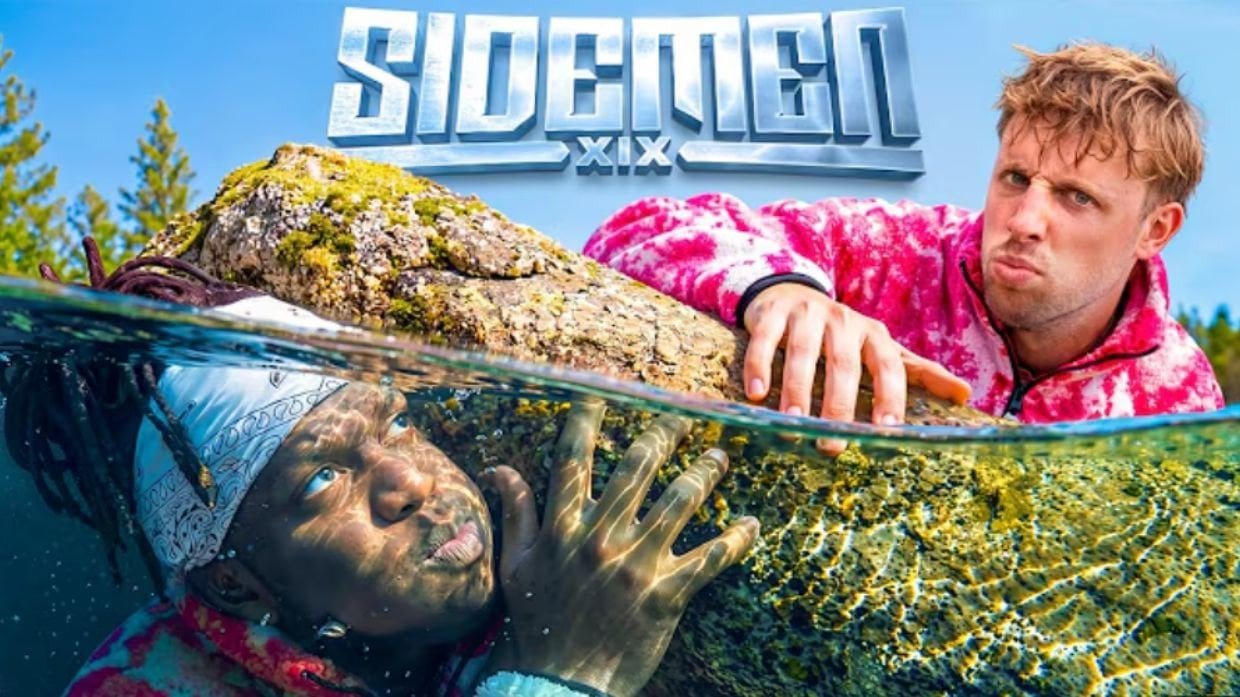
The technology had to do something useful for the story to continue. Maps, messages and voice notes were part of the hunt. That is a strong starting point for a complex-product brief because the audience can understand the benefit through the difficulty facing the characters. A specification becomes a practical question: can they get the information they need to win?
A familiar format also sets expectations. Fans arrive knowing the creators and the game, so the sponsor does not need to build an entertainment property from scratch. The challenge for the brand is to preserve what people came to watch. The creators still need to make choices, react and occasionally get things wrong. If every moment becomes an explanation of the feature, the game starts to resemble compulsory training.
The public view count demonstrates scale, rather than unique reach, earned sharing or subscription conversion. When adapting the approach, choose a situation in which the feature can be observed doing useful work. Give creators clear factual guardrails and enough product access to use it confidently. Measure whether viewers understood the benefit as well as whether they watched. For an unfamiliar technology, a buyer being able to explain the use case to another person can be a valuable next step toward consideration. Build a destination where that person can check availability, compatibility and price.
Uber joined the Tim Payne story while people still cared
A creator-community challenge to make footballer Tim Payne famous gave Uber a short window during the 2026 World Cup. In its campaign account, Winclap dates the launch to 12 June and says the team moved from trend detection to published content in 48 hours. Three Stories and a recap Reel followed a creator travelling to the match and meeting Payne. The agency reports 6.77 million impressions, 809 shares and 3,368 Story clicks and sticker taps. Uber had a practical role in a story fans already wanted to follow.
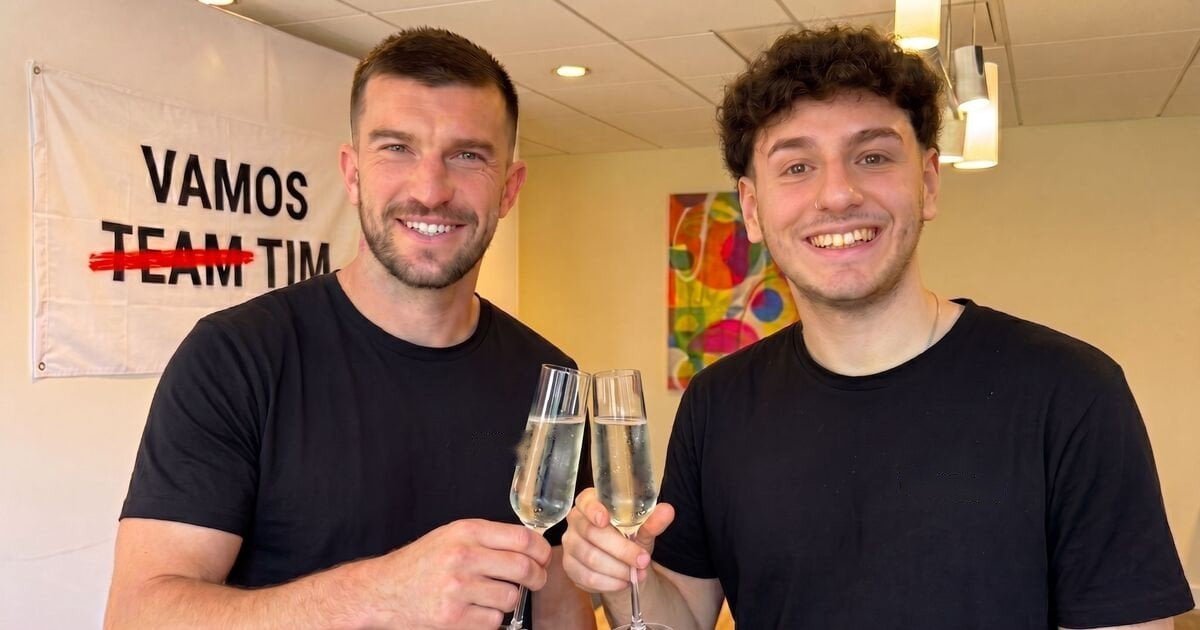
That role is the useful part. Getting to a match, reaching a person and sharing the experience are recognisable transport occasions. The brand could help the story progress without asking the creator to invent a new interest. For a reactive brief, that is a useful test: can the product help somebody do the thing everyone is talking about? If the answer requires three slides of explanation, keep looking.
The attribution boundary matters here. Payne’s wider follower surge belongs to the fan phenomenon; Uber cannot claim it created that audience. The reported campaign impressions are also not unique people, and the case does not separate paid distribution from organic reach. Clicks and sticker taps show interaction. They do not establish ride bookings. A good response to a trend still needs an honest results slide.
The operating lesson is to prepare decisions before a moment appears. Give one person authority over a small reactive budget, agree which claims need review and keep creator contracts ready to adapt. Check that the creator understands the conversation and actually wants the proposed role. Then set a deadline for publishing or walking away. When a campaign depends on what people care about this afternoon, a week of sign-off is a creative decision too. It decides that your brand will arrive after the audience has moved on.
Build the next step while the idea is still interesting
After ten very different campaigns, the transferable lesson is how deliberately the best ideas make room for an audience response. A puzzle needs solving. A routine can be saved. A track can be performed. A giveaway invites an entry. These actions can extend distribution, but each creates a different kind of relationship with the brand. Your job is to decide which of those relationships can support the commercial goal.
House of Marketers’ Stickerbox results, published in April 2026, show a useful commercial counterpart to the viral examples. The case reports more than $300,000 in revenue in 90 days, 6x blended ROAS and three million video views. Parent creators demonstrated a voice-to-sticker product, with creative testing, paid scaling and retargeting across social platforms. Stickerbox launched in November 2025, so this is a supporting case reported in 2026, rather than another new 2026 launch.
Those figures should be read together without turning them into a formula. The views were not identified as purely organic. Blended ROAS is not profit, and the revenue is not a measured incremental result. Still, the case keeps the buying path visible: a product a parent can understand, footage that shows the experience, distribution beyond the original post and a way to return to an interested audience. That is useful work to commission before the first clip takes off.
For the next campaign, ask the creator what viewers are likely to do with the idea. Then make the action easy and define the evidence you will collect. If people should recreate it, track distinct participants and new interpretations. If they should investigate a product, make the demonstration and destination specific. If they should buy, agree the offer, available stock, measurement window and costs before the content goes live. Keep shares, consideration and sales visible as separate results.
Give someone responsibility for the second wave. That person should have the rights, budget and response time to act on an emerging question or strong piece of content. Sometimes the next move is paid distribution; sometimes it is a better demonstration or a creator answering an objection. Decide using what the audience actually did. The most useful viral campaign is one your team knows how to continue after the first exciting screenshot arrives in the group chat.